yardarm WITH THE SENIOR STAFF MESS IN THE BACKGROUND
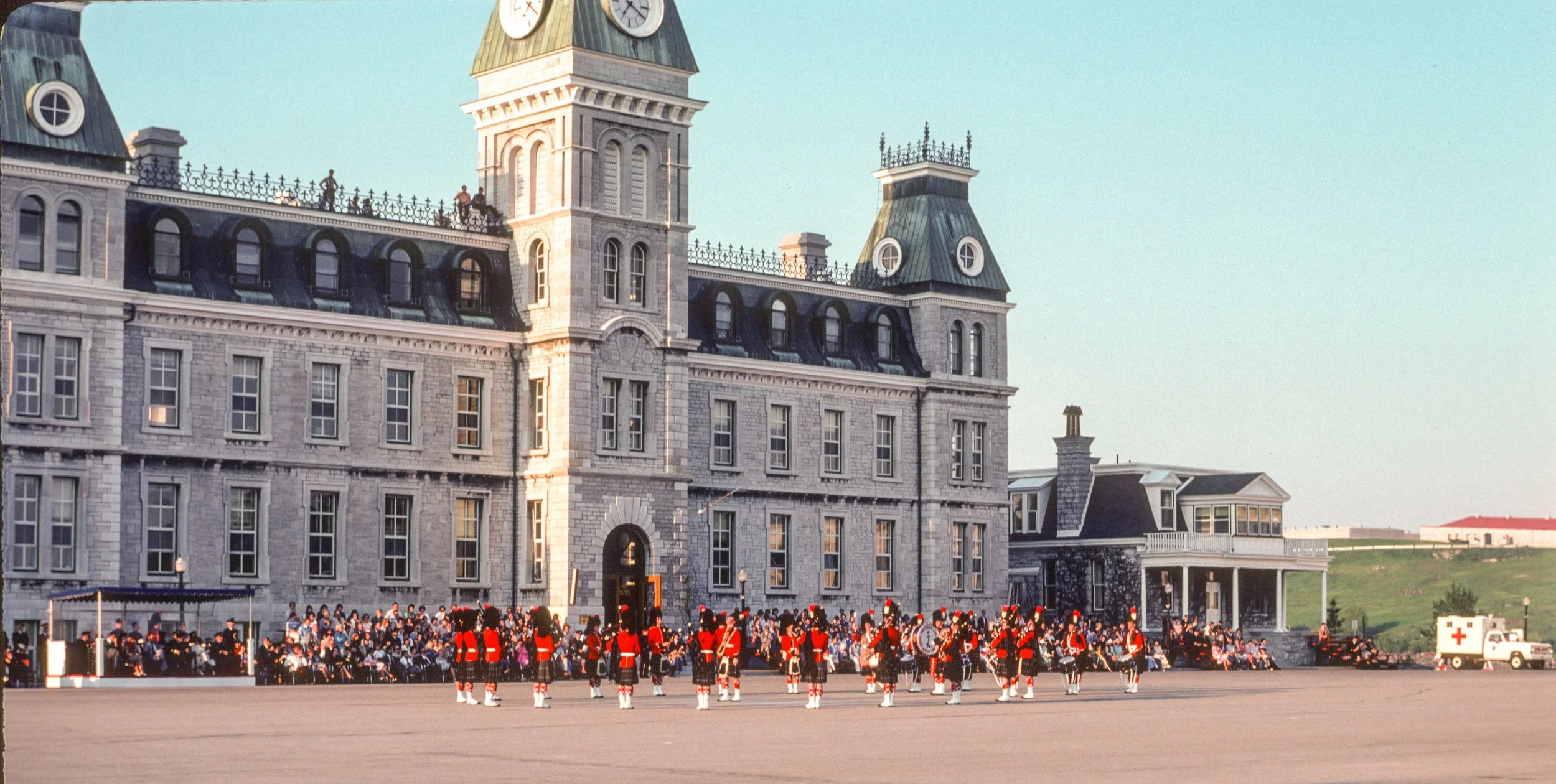
mackenzie building along with the old hospital on the right
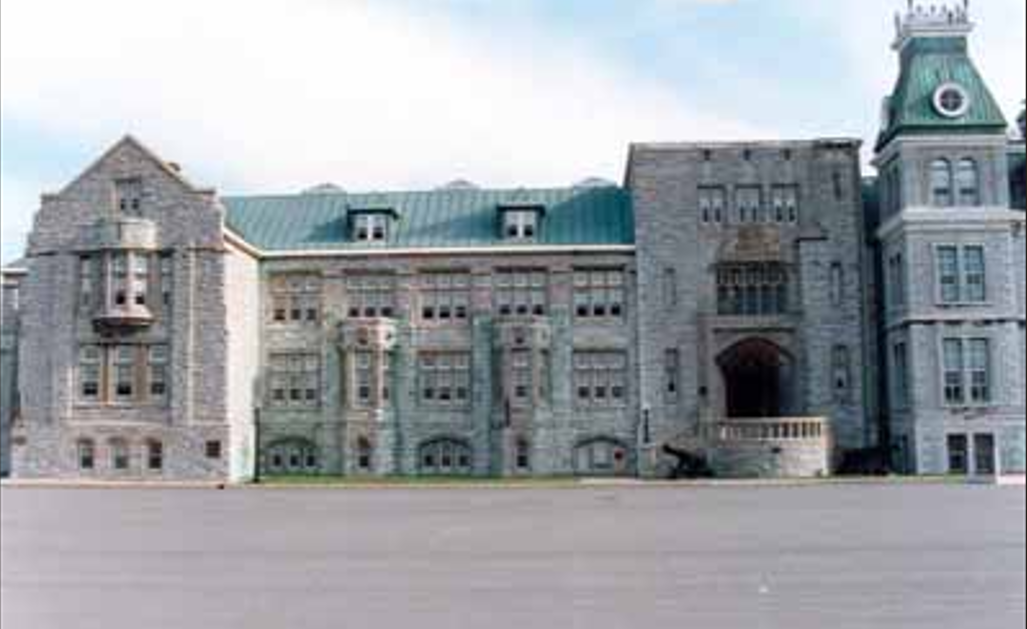
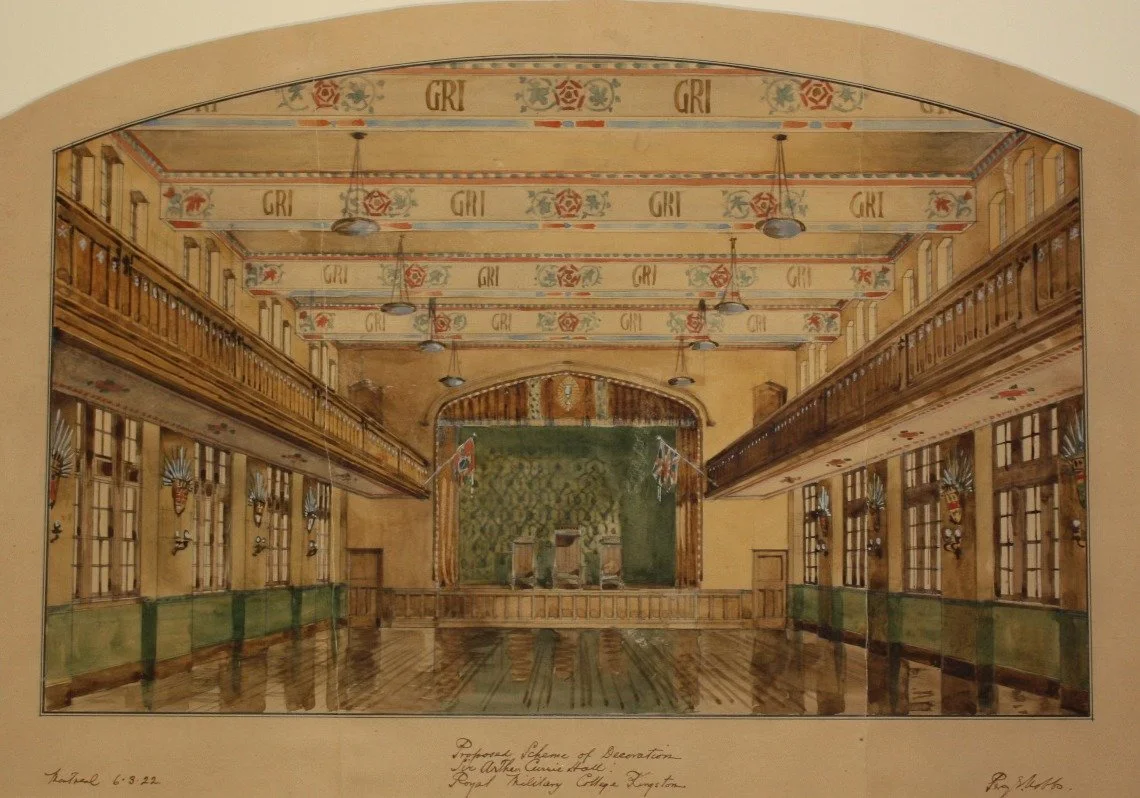
currie hall


SAWYER BUILDING - ONE OF THE MAIN ACADEMIC BUILDINGS

SAWYER BUILDING

cataraqui river frozen over

fort frederick over looking kingston harbour

the rcaf canadair sabre monument along valour drive, overlooking the kingston harbour

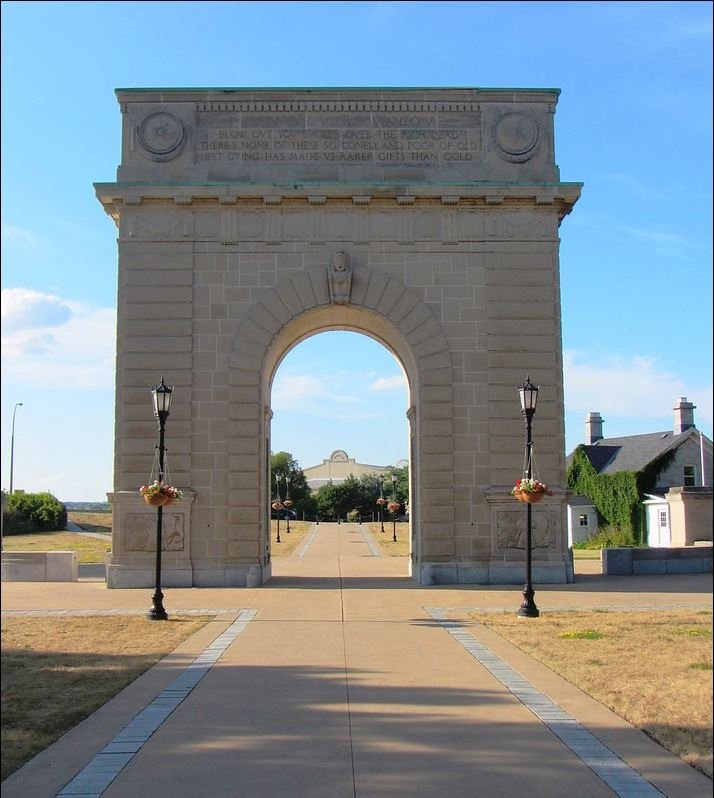
richard groves, rrmc, rmc class of 79 sitting atop his car in front on the arch probably circa 1978


from a skylark by 4 sqn class of 79 members in III year (1977)


original construction from everitas facebook


yeo hall. yeo hall served as the mess hall for the cadets at the college, but also had several conference rooms; the wing duty cadet duty room; the “new gym” upstairs which was used for formal balls, dances and talent night as well as INSPECTIONS/drill squads which were punishments awarded as deemed appropriate; the mess annex in the back room; and in the basemen, the canex and the barbershop, where barbers were known to have completed as many as 20 haircuts an hour on nights before parades. the second floor also had halls leading from fort lasalle to fort champlain to fort haldimand (from e-veritas)

Yeo hall - sword

THIS STATUE OF A CADET WAS PRESENTED TO THE COLLEGE AS PART OF THE 1976 CENTENNIAL YEAR CELEBRATIONS BY THE RMC CLUB OF CANADA AND ALMOST IMMEDIATELY BECAME THE PERFECT FOILS FOR SKYLARKS, INCLUDING BEING DRESSED AS A WOMAN; DRESSED AS QUEENS STUDENT AND DRESSED AS AN ABORIGINAL BY THE ALOY INDIGENOUS CADETS DURING THEIR SUMMER TRAINING. THE STATUE WAS QUICKLY GIVEN THE NICKNAME “BRUCIE”, A MONIKER THAT HAS STUCK EVER SINCE. PROBABLY ONE OF THE FAVOURITE PHOTOS OPS IS TO STAND BY THE STATUE AND ADOPT A SIMILAR POSE, THIS TIME BY LEE LAMONT WHO HAD JUST COME TO RMC IN 1977 AFTER SPENDING TWO YEARS AT RRMC
Historical - RMC Buildings and the Point Frederick Peninsula
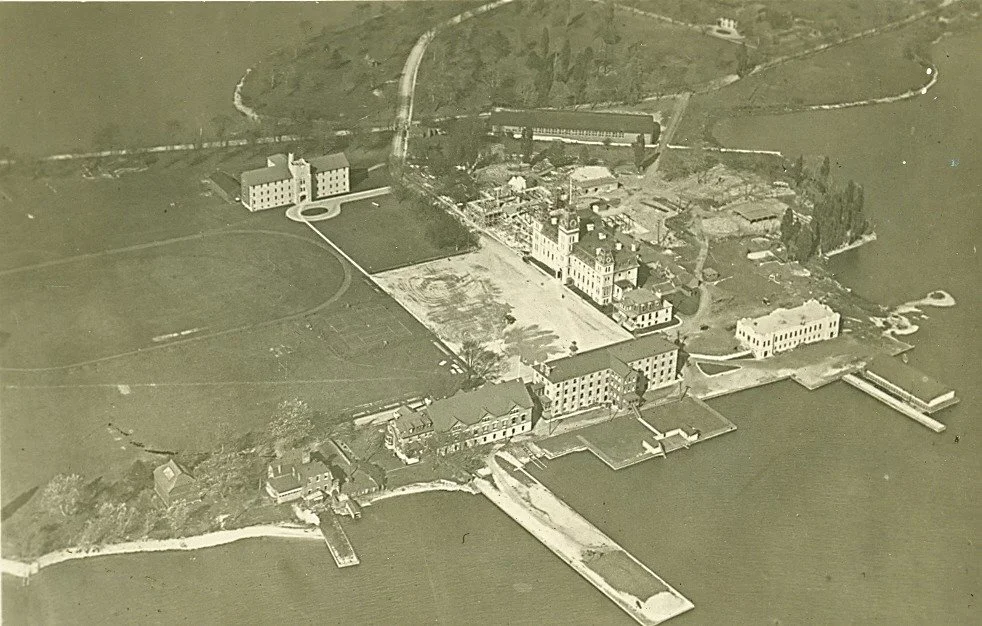
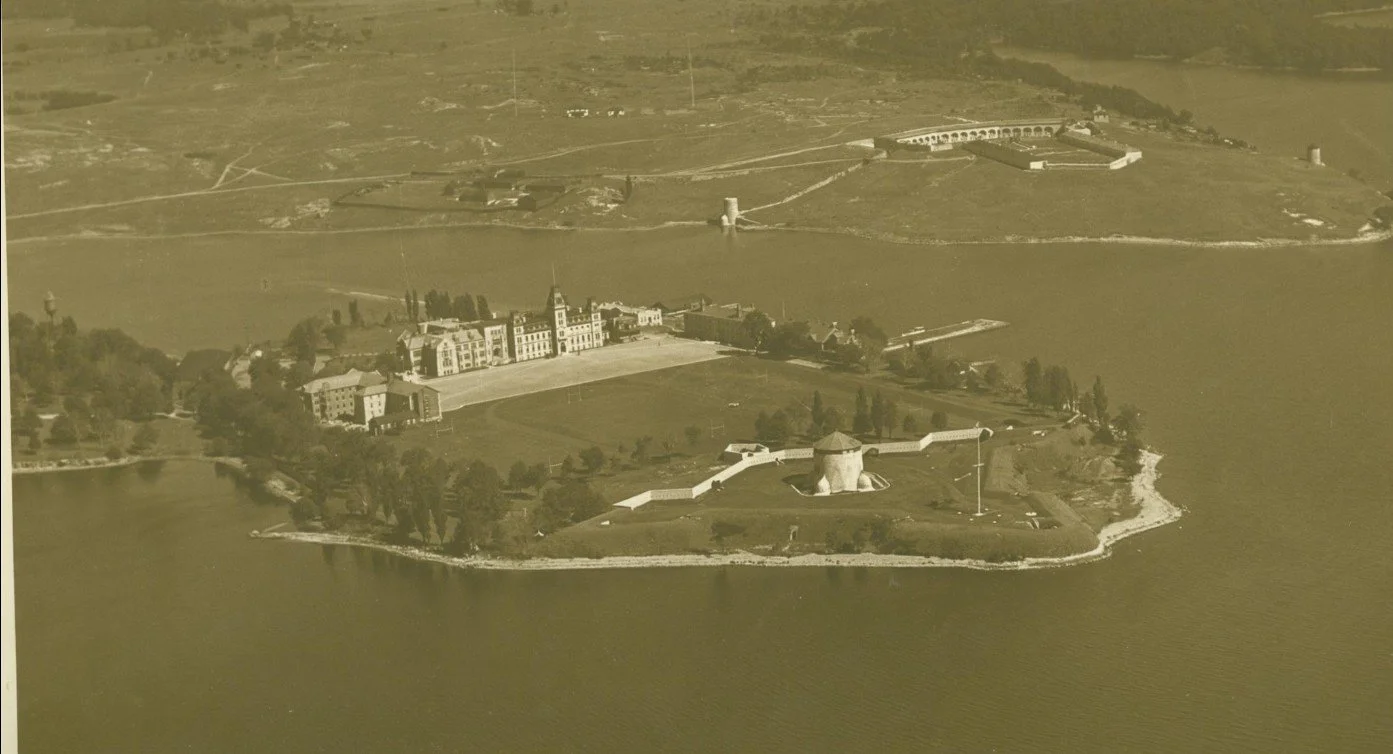
According to the RMC Cadet Handbook, the Stone Frigate was constructed in 1820; the College was opened in 1876 along with the Parade Square; Mackenzie Building in 1878, the Old Hospital and Panet House in 1903, Currie Hall in 1919, Fort Lasalle in 1913, Currie Hall in 1919, Yeo Hall in 1934, Fort Haldimand in 1949; the Constantine Arena in 1960 and Fort Champlain in 1965. The photos below were taken during various stages of the development of the RMC campus
Before that though, the painting below is by marine artist Peter Rindlisbacher and depicts what the peninsula, upon which the structures of RMC would later be built, would have looked like in the second week of October 1814 before the massive warship HMS St Lawrence sailed during the War of 1812. This painting was presented to RMC by the RMC Alumni Association, Toronto Branch, on the 19th of September, 2026 during the Gala celebrating RMC’s 150th Anniversary.
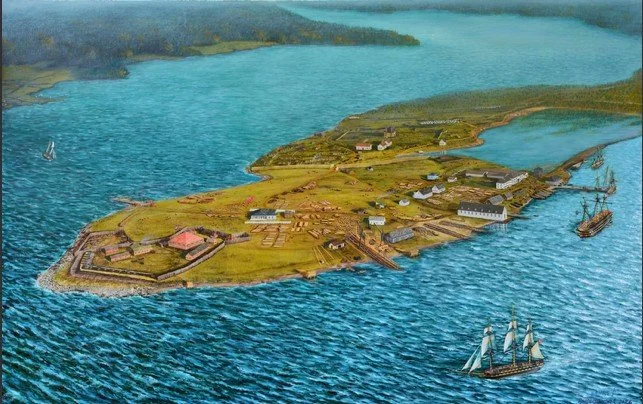
painting of the peninsula by marine artist peter rindlisbacher - Second week of October 1814. Two weeks before the sailing of the St Lawrence.
According to the Canadian Encyclopedia, the “HMS St Lawrence was the largest warship ever built on the Great Lakes during the age of sail. During the War of 1812, supply, reinforcement and the movement of troops for attack all depended on the naval control of the lakes. Early in the war the Americans were able to attack York and Fort George with impunity. Because Lake Ontario is effectively landlocked by Niagara in the west and the St Lawrence River rapids in the east, if warships were to operate on the lake, they needed to be built or assembled there.
The size and power of the St Lawrence were a result of the ambition of British naval commodore James Lucas Yeo. He had approval to build a smaller ship, but being far from his commanders in England, he greatly enlarged the ship. The keel was laid on 12 April 1814 at the Point Frederick shipyard in Kingston, Upper Canada. The triple-decker ship of the line was a monster of its time, more powerful even than Lord Nelson's flagship Victory. It eventually carried 112 guns and a crew of 837 officers and seamen, most of whom had to be dispatched from Quebec City. HMS St Lawrence was launched 10 September 1814. In contrast to ocean-going vessels of the time, the ship had a shallow draft and was rather unstable. It was struck by lightning four days after its maiden voyage. Nevertheless, the ship served its purpose. It never saw action because it was such a deterrent.”
The ship was first launched on September 10th, 1814, in what was a remarkably short timeframe of a little over five months and sailed about a month and a half later. Of note, the ship served as the flagship for Commodore Sir James Lucas Yeo who commanded the Royal Naval Forces which operated from the Royal Naval Dockyard during the War of 1812 and whose name now appears on the RMC Dining Hall and Mess complex, Yeo Hall .